


COPPER IS UP 16.5 PERCENT. HERE'S WHY THAT MATTERS FOR YOUR DEVELOPMENT.
Copper is up roughly 16.5 percent year on year. Brisbane remains the national escalation hotspot. Melbourne is not immune.
The headlines are dramatic. They keep coming.
But the real issue isn’t the headline. It’s structural.
Construction cost escalation in 2026 is not a short-term spike. It reflects sustained infrastructure demand, electrification, labour constraints and financing sensitivity. This pressure is not unwinding next quarter.
If you are planning your first development, this matters more than you think.
WHY COPPER ACTUALLY AFFECTS YOUR BUILD
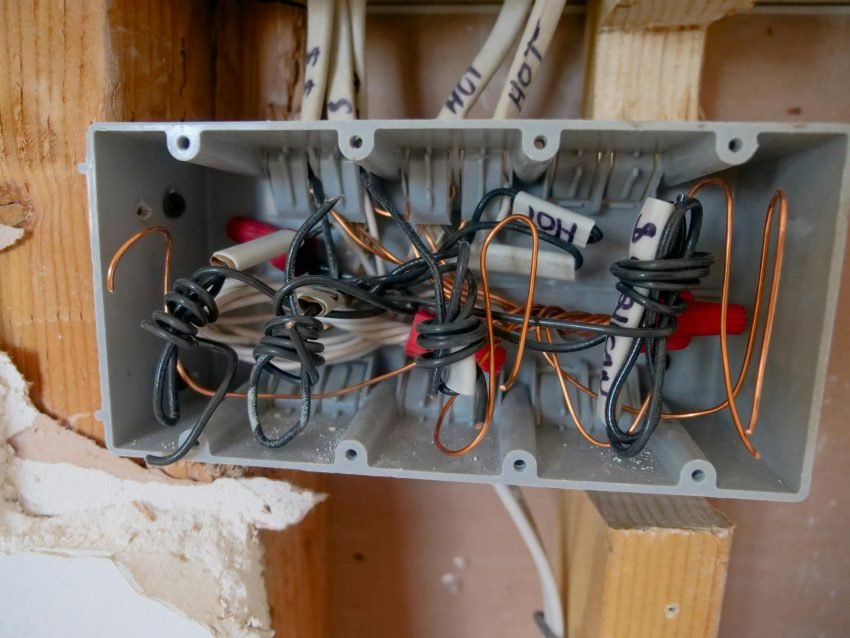
Copper isn’t just a commodity traders talk about. It’s inside almost every building.
It’s in:
• electrical wiring
• switchboards
• data cabling
• air conditioning systems
• solar installations
• hot water systems
• plumbing components
• EV infrastructure
In other words, it sits inside the walls you don’t see.
And here’s the important part: services trades are usually installed late in the programme.
When copper rises, electrical and services pricing rises. If your project is delayed by three to six months, those increased costs land at the same time finance costs are compounding.
It’s not just a material spike. It’s a timing problem.
Copper isn’t the whole story. It’s the signal.
THE NEW COST BASELINE
Pre-2021, allowing 2 to 3 percent annual escalation felt conservative.
In 2026, 4 to 5 percent is the new calm case in Melbourne.
And that is before you account for:
• labour constraints
• programme drift
• interest rate sensitivity
• late-stage trade pricing
Great projects rarely fail because the design wasn’t beautiful enough. They fail because feasibility was optimistic.
MAKE SURE YOUR FEASIBILITY IS ACTUALLY FEASIBLE
If this is your first project, ask yourself one question:
Have you properly stress tested your feasibility?
This is not the time to be casual about numbers.
Five percent across multi-million-dollar inputs compounds quickly. If you are working off outdated cost assumptions or generic proxies across cost groups, you are building optimism into your model.
Use current Australian construction cost data. Rawlinsons. Cotality. Reliable quantity data. Treat your feasibility as the foundation and scaffolding of the project, not a quick back-of-envelope exercise.
We are not in a temporary spike. We are in a new cost environment.
WHAT YOU SHOULD BE TESTING
A responsible feasibility model in 2026 should not rely on one neat base case.
At minimum, test:
Base Case
4 to 5 percent construction escalation
Stress Case 1
+8 percent build cost
Stress Case 2
+8 percent build cost plus 6 month delay
Stress Case 3
+8 percent build cost, 6 month delay and 5 percent softening in end values
If your margin disappears under combined downside conditions, you do not have a robust project. You have exposure.
And exposure affects everything: contractor negotiations, variation decisions, lender conversations and your ability to hold the line when things tighten.
A little more time spent modelling now saves a year of stress later.
Precision does not kill creativity. It protects it.
If you want to build something architecturally ambitious and commercially viable, the numbers must be real.
Dreams inspire projects. Discipline delivers them.